

Introduction: Why Having an ID Matters More Than Ever How to Create an ID
In today’s fast-moving and increasingly digital world, having a valid identification (ID) is no longer just a formality—it is a necessity. From opening a bank account to applying for a job, enrolling in school, traveling, or even accessing government services, an ID plays a central role in everyday life. It acts as your official proof of identity, helping institutions verify who you are and ensuring smooth access to essential services.
For many people, especially beginners or young adults, the process of creating an ID can feel confusing or even overwhelming. Questions like “Where do I start?”, “What documents do I need?”, or “How long will it take?” are very common. The good news is that once you understand the basic process, getting an ID becomes much simpler and more manageable.
An ID is more than just a card or document—it represents your identity in formal systems. It typically includes key personal information such as your full name, date of birth, photograph, and sometimes your address or biometric data. This information helps authorities and organizations confirm your identity quickly and securely. Without an ID, completing even basic tasks can become difficult, as most institutions require proper verification before offering their services.
There are different types of IDs available depending on your needs and stage of life. For example, a student may need a school or college ID, while an adult may require a government-issued ID for financial or legal purposes. Similarly, if you plan to travel internationally, a passport becomes essential. Each type of ID serves a specific purpose, but they all share the same goal—establishing your identity in a reliable and recognized way.
One important thing to understand is that creating an ID is a structured process. It is not something that happens instantly, but rather a series of steps designed to ensure accuracy and security. Governments and organizations follow strict procedures to prevent identity fraud and maintain trust in the system. This is why you are often asked to provide supporting documents, fill out detailed forms, and sometimes even submit biometric data like fingerprints or photographs.
While this may sound complicated, it actually works in your favor. These steps ensure that your identity is protected and that your ID cannot be easily misused by others. In a world where identity theft and fraud are growing concerns, having a secure and verified ID gives you peace of mind.
Another key aspect to consider is preparation. Many delays in the ID creation process happen simply because applicants are not fully prepared. Missing documents, incorrect information, or unclear photographs can slow things down significantly. By understanding what is required in advance and organizing your documents properly, you can save both time and effort.
Technology has also made the process much more convenient than it used to be. In many cases, you can now apply for an ID online, track your application status, and receive updates without needing to visit offices multiple times. However, some steps—such as biometric verification—may still require a physical visit to an authorized center. Even so, the overall process has become faster and more user-friendly.
It is also worth noting that having an ID is not just about fulfilling requirements—it empowers you. It gives you access to opportunities, financial systems, healthcare services, and legal protections. It allows you to prove your identity confidently in any situation where verification is needed.
In this guide, we will break down the entire process of creating an ID into simple, easy-to-follow steps. Whether you are applying for your first ID or helping someone else through the process, this article will provide clear guidance and practical tips to make the experience smooth and stress-free.
By the end, you will have a complete understanding of what to do, what to prepare, and how to avoid common mistakes—making the journey to getting your ID much easier than you might expect.
Understanding the Types of IDs and Choosing the Right One
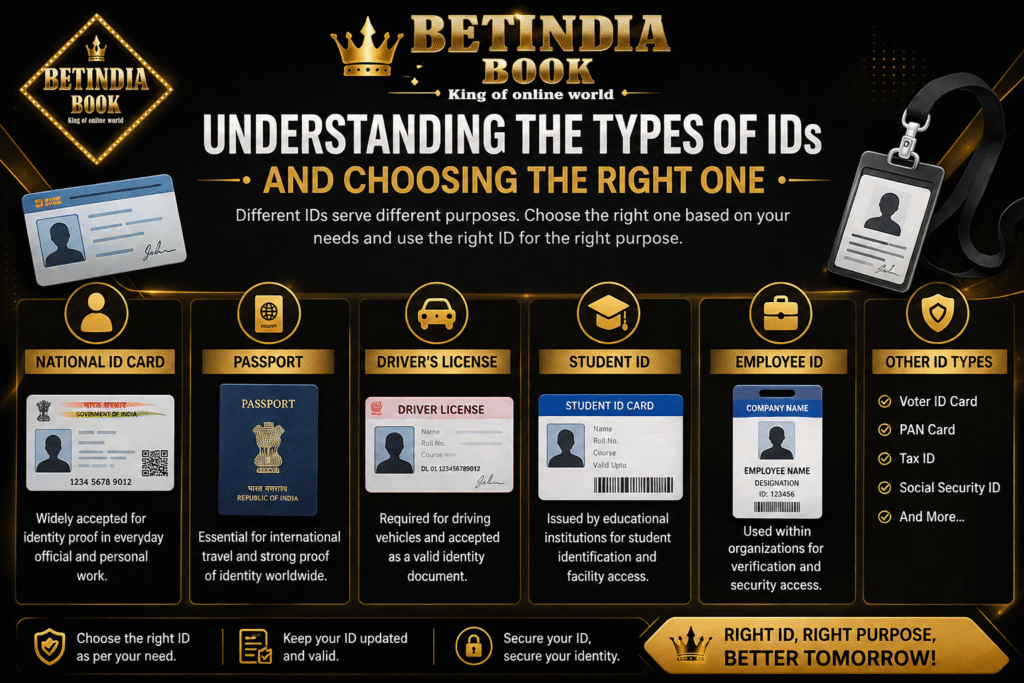
Before starting the application process, it is important to understand that not all identification documents are the same. Each type of ID serves a specific purpose, and choosing the right one depends on your personal needs, lifestyle, and goals. Many people make the mistake of applying for the wrong type of ID, which can lead to delays or unnecessary effort. Taking a little time to understand your options can make the entire process smoother.
The most commonly used form of identification is a government-issued ID. This includes national identity cards, which are widely accepted as proof of identity across various institutions. These IDs are often required for tasks such as opening bank accounts, applying for jobs, or accessing government services. They usually contain essential personal details along with a unique identification number that helps authorities keep records accurate and secure.
Another widely recognized ID is the passport. While it is primarily used for international travel, it also serves as a strong proof of identity in many situations. Passports are especially useful because they are globally accepted and include detailed personal information along with security features that prevent misuse. If you plan to travel abroad or need a highly reliable form of identification, applying for a passport is a good option.
For those who intend to drive, a driver’s license is essential. This type of ID not only allows you to operate a vehicle legally but also acts as a valid identity document in many places. It often includes your photograph, address, and signature, making it a convenient dual-purpose document. However, obtaining a driver’s license usually requires passing a written test and a practical driving exam.
Students and employees also receive specific types of IDs issued by their institutions or workplaces. A student ID is useful within educational environments, helping with access to facilities, exams, and sometimes even discounts. Similarly, an employee ID is used within organizations to verify identity and grant access to office spaces or systems. While these IDs are important in their respective environments, they may not always be accepted as official proof of identity outside those settings.
In addition to these, there are other specialized IDs depending on the country or region you live in. These may include tax identification numbers, voter ID cards, or social security-related documents. Each of these serves a unique purpose and may be required for specific administrative or legal processes.
Choosing the right ID depends largely on what you need it for. If your goal is general identification for everyday use, a national ID card is usually the best choice. If you need identification for travel, then a passport becomes necessary. For driving, a license is required, while students and professionals should also maintain their institutional IDs for convenience.
It is also worth considering whether you might need more than one type of ID. In many cases, having multiple forms of identification can be beneficial. For example, some institutions require two forms of ID for verification purposes. Having both a national ID and a passport can make such processes quicker and more efficient.
Another factor to keep in mind is validity and renewal. Most IDs are not issued for a lifetime and need to be renewed after a certain period. Understanding the validity of your chosen ID helps you plan ahead and avoid last-minute issues. Keeping track of expiration dates ensures that your identification remains valid whenever you need it.
Additionally, different IDs may have different application processes and timelines. Some can be obtained relatively quickly, while others may take several weeks or even months. If you need an ID urgently, it is important to choose one that can be processed within your required timeframe or opt for expedited services if available.
Security is another important consideration. Modern IDs often include advanced features such as holograms, QR codes, or biometric data to prevent fraud. These features not only protect your identity but also make verification faster and more reliable. Understanding these aspects can help you appreciate why certain steps in the application process are necessary.
In conclusion, understanding the different types of IDs and their purposes is a crucial step before starting your application. By identifying your needs and selecting the appropriate type of ID, you can avoid confusion and ensure a smoother experience. Making an informed decision at this stage sets a strong foundation for the rest of the process, helping you move forward with confidence and clarity.
Step-by-Step Process to Create an ID
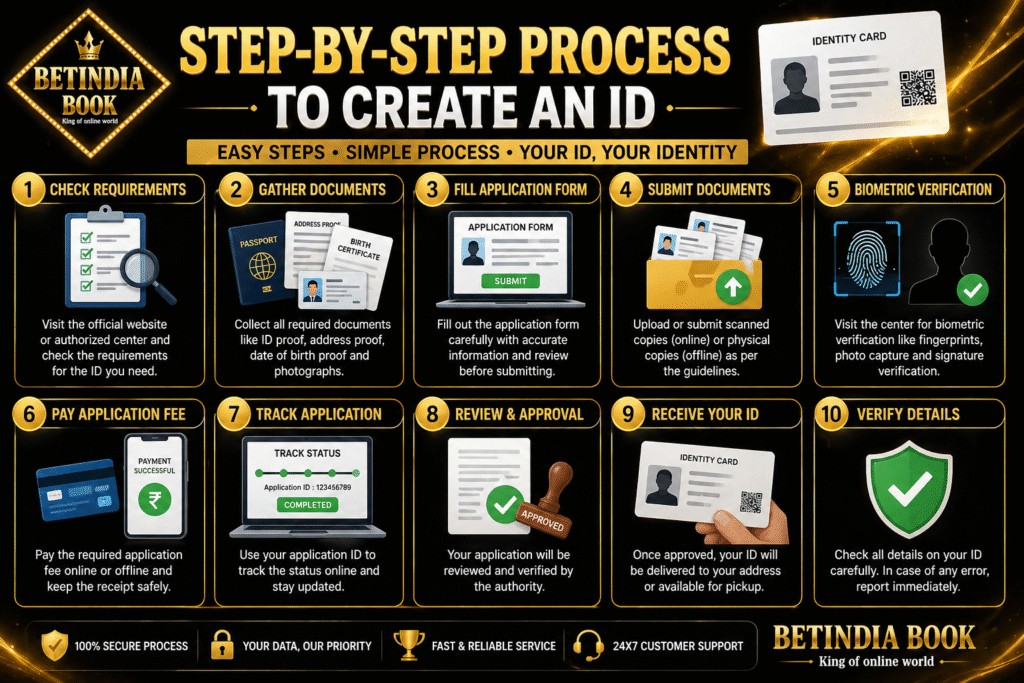
Once you have clearly understood the type of ID you need, the next step is to follow the actual application process. While the exact steps may vary depending on the country or the type of ID, the overall procedure generally follows a similar pattern. Knowing these steps in advance can help you avoid confusion and complete the process smoothly.
The first step is to collect accurate and complete information about the application procedure. This can usually be found on official government websites or at authorized centers. It is important to rely only on trusted sources, as incorrect information can lead to mistakes that may delay your application. Take some time to read the guidelines carefully so you understand what is expected.
After that, you need to gather all the required documents. This step is crucial because incomplete documentation is one of the most common reasons for application rejection. Typically, you will need proof of identity, proof of address, and proof of date of birth. These documents must be valid, clear, and up to date. In some cases, you may also need additional documents depending on the type of ID you are applying for.
Once your documents are ready, the next step is to fill out the application form. Many authorities now offer online application systems, which make the process faster and more convenient. However, offline forms are still available for those who prefer or require them. While filling out the form, ensure that all the details you provide are accurate. Even small errors in spelling or numbers can create complications later on.
After submitting the form, you may be required to upload or attach copies of your documents. If you are applying online, make sure that the scanned copies are clear and meet the required format and size guidelines. For offline applications, neatly arranged photocopies are usually required. Keeping both digital and physical copies ready can be helpful.
The next stage often involves identity verification. This may include biometric data collection such as fingerprints, photographs, or signature verification. You might need to visit a designated center for this step. This process ensures that your identity is securely recorded and helps prevent fraud. It is usually quick, but it is important to carry all original documents for verification.
Following verification, you will typically need to pay an application fee, if applicable. The fee amount depends on the type of ID and the urgency of processing. Online payments are widely accepted and are usually the fastest option. Always keep the payment receipt or confirmation as proof, since you may need it for tracking your application.
Once everything is submitted, your application enters the processing stage. During this time, authorities review your details and verify your documents. The duration of this stage can vary from a few days to several weeks, depending on the type of ID and the workload of the issuing authority. Patience is important here, as rushing is not possible once the process is underway.
Most systems now provide a tracking option that allows you to monitor the status of your application. This feature is very useful, as it keeps you informed about any updates or additional requirements. If there are any issues with your application, you may be notified to make corrections or provide extra documents.
After successful verification and approval, your ID will be issued. In many cases, it is delivered directly to your registered address. Alternatively, you may be asked to collect it from a specific office. When you receive your ID, take a moment to check all the details carefully. Make sure your name, date of birth, and other information are correct. If you notice any errors, report them immediately to avoid future problems.
It is also a good practice to keep your ID safe and secure once you receive it. Consider making photocopies and storing digital backups for emergencies. Losing your ID can be inconvenient, so taking preventive steps can save you time and effort later.
In summary, creating an ID involves a series of well-defined steps, including gathering information, preparing documents, filling out forms, completing verification, and waiting for approval. By following each step carefully and staying organized, you can complete the process without unnecessary stress. Understanding this structured approach not only makes the experience easier but also increases your chances of a successful application on the first attempt.
Documents Required for Creating an ID
One of the most important parts of the ID creation process is preparing the correct documents. No matter which type of ID you are applying for, documentation plays a key role in verifying your identity. In fact, many applications are delayed or rejected simply because the required documents are incomplete, unclear, or outdated. Understanding what is needed and preparing everything in advance can save a significant amount of time and effort.
At the core of every ID application are three main categories of documents: proof of identity, proof of address, and proof of date of birth. These documents help authorities confirm that you are who you claim to be and that the information you provide is accurate.
Proof of identity is used to establish your name and personal identity. This can include documents such as a birth certificate, an existing ID card, or any officially recognized document that contains your photograph and personal details. The purpose of this requirement is to ensure that your identity is genuine and can be verified through reliable sources.
Proof of address is equally important, as it confirms where you live. Common examples include utility bills, bank statements, rental agreements, or official letters issued by recognized institutions. These documents should clearly display your current address and must usually be recent, often within the last few months. Providing outdated or incorrect address proof can result in delays or rejection of your application.
The third category, proof of date of birth, is required to confirm your age. This is especially important for IDs that have age-related eligibility criteria. Documents such as a birth certificate, school certificate, or any official record that includes your date of birth are generally accepted. Ensuring that this information matches the details you provide in your application form is crucial.
In addition to these basic categories, you may also need passport-sized photographs. These photographs must meet specific guidelines, such as size, background color, and clarity. Poor-quality photos or those that do not meet the required standards can lead to your application being rejected. It is always a good idea to get your photographs taken professionally to avoid such issues.
Some ID applications also require supporting documents based on specific circumstances. For example, if you have recently changed your name, you may need to provide legal proof such as a marriage certificate or a name change affidavit. Similarly, if you are applying on behalf of a minor, additional documents like a guardian’s ID or consent form may be necessary.
Another important aspect to consider is document consistency. All the documents you submit should have matching information, especially your name, date of birth, and address. Even small differences in spelling or formatting can create confusion during verification. Before submitting your application, carefully review all your documents to ensure that the details are consistent across each one.
In today’s digital age, many applications require scanned copies of documents for online submission. It is essential to ensure that these scans are clear, readable, and properly aligned. Blurry or cropped images can lead to rejection or requests for resubmission, which can delay the process. Using a good scanner or a high-quality mobile scanning app can help you create acceptable digital copies.
It is also wise to keep both original documents and photocopies ready. While online applications may only require digital uploads, you may still need to present original documents during verification or at a later stage. Having organized copies can make this process quicker and more efficient.
Security and privacy should not be overlooked when handling your documents. Since these papers contain sensitive personal information, it is important to share them only through official channels. Avoid submitting your documents on unverified websites or sharing them with unauthorized individuals. Keeping your information secure protects you from identity theft and misuse.
Lastly, always check the specific requirements for the ID you are applying for. While the general categories of documents remain similar, certain IDs may have additional or slightly different requirements. Referring to official guidelines ensures that you are fully prepared and reduces the chances of unexpected issues.
In conclusion, preparing the right documents is a critical step in creating an ID. By understanding the requirements, ensuring accuracy, and organizing your paperwork in advance, you can make the application process much smoother. A little attention to detail at this stage can go a long way in ensuring that your ID is approved without unnecessary delays.
Documents Required for Creating an ID
One of the most important parts of the ID creation process is preparing the correct documents. No matter which type of ID you are applying for, documentation plays a key role in verifying your identity. In fact, many applications are delayed or rejected simply because the required documents are incomplete, unclear, or outdated. Understanding what is needed and preparing everything in advance can save a significant amount of time and effort.
At the core of every ID application are three main categories of documents: proof of identity, proof of address, and proof of date of birth. These documents help authorities confirm that you are who you claim to be and that the information you provide is accurate.
Proof of identity is used to establish your name and personal identity. This can include documents such as a birth certificate, an existing ID card, or any officially recognized document that contains your photograph and personal details. The purpose of this requirement is to ensure that your identity is genuine and can be verified through reliable sources.
Proof of address is equally important, as it confirms where you live. Common examples include utility bills, bank statements, rental agreements, or official letters issued by recognized institutions. These documents should clearly display your current address and must usually be recent, often within the last few months. Providing outdated or incorrect address proof can result in delays or rejection of your application.
The third category, proof of date of birth, is required to confirm your age. This is especially important for IDs that have age-related eligibility criteria. Documents such as a birth certificate, school certificate, or any official record that includes your date of birth are generally accepted. Ensuring that this information matches the details you provide in your application form is crucial.
In addition to these basic categories, you may also need passport-sized photographs. These photographs must meet specific guidelines, such as size, background color, and clarity. Poor-quality photos or those that do not meet the required standards can lead to your application being rejected. It is always a good idea to get your photographs taken professionally to avoid such issues.
Some ID applications also require supporting documents based on specific circumstances. For example, if you have recently changed your name, you may need to provide legal proof such as a marriage certificate or a name change affidavit. Similarly, if you are applying on behalf of a minor, additional documents like a guardian’s ID or consent form may be necessary.
Another important aspect to consider is document consistency. All the documents you submit should have matching information, especially your name, date of birth, and address. Even small differences in spelling or formatting can create confusion during verification. Before submitting your application, carefully review all your documents to ensure that the details are consistent across each one.
In today’s digital age, many applications require scanned copies of documents for online submission. It is essential to ensure that these scans are clear, readable, and properly aligned. Blurry or cropped images can lead to rejection or requests for resubmission, which can delay the process. Using a good scanner or a high-quality mobile scanning app can help you create acceptable digital copies.
It is also wise to keep both original documents and photocopies ready. While online applications may only require digital uploads, you may still need to present original documents during verification or at a later stage. Having organized copies can make this process quicker and more efficient.
Security and privacy should not be overlooked when handling your documents. Since these papers contain sensitive personal information, it is important to share them only through official channels. Avoid submitting your documents on unverified websites or sharing them with unauthorized individuals. Keeping your information secure protects you from identity theft and misuse.
Lastly, always check the specific requirements for the ID you are applying for. While the general categories of documents remain similar, certain IDs may have additional or slightly different requirements. Referring to official guidelines ensures that you are fully prepared and reduces the chances of unexpected issues.
In conclusion, preparing the right documents is a critical step in creating an ID. By understanding the requirements, ensuring accuracy, and organizing your paperwork in advance, you can make the application process much smoother. A little attention to detail at this stage can go a long way in ensuring that your ID is approved without unnecessary delays.
Tips for Faster ID Approval and Hassle-Free Process
Creating an ID is not just about completing the required steps—it is also about doing them efficiently. Many applicants follow the correct process but still experience delays due to avoidable issues. By applying a few practical strategies, you can speed up your application and reduce the chances of complications along the way.
One of the most effective ways to ensure faster approval is to start with proper preparation. Before you even begin the application, make sure all your documents are ready, updated, and clearly readable. Having everything organized in advance prevents last-minute stress and reduces the risk of missing important requirements. It also allows you to complete the application without interruptions.
Accuracy plays a major role in speeding up the process. Carefully fill in all the details in your application form and double-check them before submission. Mistakes such as incorrect spelling, wrong numbers, or mismatched information can lead to delays because they often require correction or re-verification. Taking a few extra minutes to review your form can save you days or even weeks later.
Choosing the right application method can also make a difference. In many cases, online applications are faster than offline ones because they are processed digitally. Online systems often provide instant confirmation and allow you to track your application status easily. However, if you are not comfortable with online processes, ensure that your offline submission is complete and properly organized.
Another important tip is to follow all guidelines strictly. Each ID application comes with specific instructions regarding document format, photograph specifications, and submission procedures. Ignoring even a small detail can result in rejection or delays. Reading and understanding these guidelines carefully ensures that your application meets all the required standards.
Submitting high-quality documents is equally important. Whether you are uploading digital files or providing physical copies, clarity is essential. Blurry scans, cropped images, or poorly printed documents can create verification issues. Using a reliable scanner or taking clear photographs of your documents can help avoid such problems.
Timing can also influence how quickly your ID is processed. Applying during non-peak periods may result in faster processing, as authorities may have fewer applications to handle. Additionally, completing your application early in the day or week can sometimes help you get quicker responses compared to peak hours.
Staying informed throughout the process is another key factor. Most application systems provide tracking options that allow you to monitor progress. Regularly checking your application status helps you stay updated and respond quickly if any additional information or corrections are required. Prompt action can prevent unnecessary delays.
Attending all scheduled appointments on time is crucial. Whether it is for biometric verification or document submission, missing an appointment can set your application back significantly. Keeping track of your schedule and arriving prepared ensures that you move forward without interruptions.
If you are unsure about any step, do not hesitate to seek clarification from official sources. Many authorities provide help centers, customer support, or detailed guides to assist applicants. Getting accurate information directly from reliable sources can prevent mistakes and make the process smoother.
It is also helpful to keep both physical and digital copies of all your documents and application details. Having backups ensures that you can quickly provide any additional information if requested. It also protects you from losing important documents during the process.
Security should always be a priority. Make sure you are using official websites or authorized centers when submitting your application. Avoid sharing your personal information with unknown or unverified sources. Protecting your data not only ensures safety but also prevents complications related to identity misuse.
Another useful tip is to remain patient while your application is being processed. While it is natural to want quick results, the verification process takes time to ensure accuracy and security. Avoid submitting multiple applications for the same ID, as this can create confusion and further delays.
Finally, once you receive your ID, review it carefully. Checking for errors immediately allows you to request corrections without going through a lengthy process later. Keeping your ID safe and maintaining its condition ensures that you do not face issues in the future.
In conclusion, speeding up the ID creation process is largely about preparation, accuracy, and attention to detail. By staying organized, following instructions carefully, and remaining proactive throughout the process, you can ensure a hassle-free experience. These simple yet effective tips can help you receive your ID faster and with minimal stress.
Final Thoughts: How to Create an ID Easily and Successfully
Understanding how to create an ID is an essential skill in today’s world, where identification is required for almost every important activity. From accessing services to completing official tasks, knowing how to create an ID can save you time, effort, and unnecessary stress. By now, you have learned the complete process, and it becomes clear that how to create an ID is not complicated when approached step by step.
The most important thing to remember when learning how to create an ID is preparation. Before starting, you should always gather the required documents and verify that all information is correct. Many people struggle with how to create an ID simply because they begin the process without proper preparation. When your documents are ready and accurate, the process of how to create an ID becomes much smoother.
Another key factor in mastering how to create an ID is understanding the type of ID you need. Whether it is a national ID, passport, or driver’s license, knowing your purpose helps you follow the correct steps. If you are unsure how to create an ID for a specific purpose, reviewing official guidelines can provide clarity and direction.
Accuracy is equally important when focusing on how to create an ID. Small mistakes in your application form can lead to delays or even rejection. This is why it is always recommended to double-check every detail. When you pay attention to accuracy, the process of how to create an ID becomes faster and more efficient.
Technology has made it easier than ever to understand how to create an ID. Online applications, digital document uploads, and tracking systems have simplified the process significantly. Today, many people prefer online methods when learning how to create an ID because they are convenient and time-saving. However, even with online systems, it is important to follow instructions carefully.
Another important aspect of how to create an ID is staying informed throughout the process. Tracking your application helps you stay updated and take action if needed. Many delays occur when applicants ignore updates or fail to respond on time. Being proactive is a key part of successfully completing how to create an ID.
Security should never be overlooked when considering how to create an ID. Always use official platforms and authorized centers to submit your application. Sharing personal information on unverified platforms can lead to serious risks. Protecting your data is an important part of understanding how to create an ID safely.
Patience also plays a role in how to create an ID. While everyone wants quick results, the verification process takes time to ensure accuracy and prevent fraud. Understanding this helps you stay calm and avoid unnecessary frustration while going through how to create an ID.
Another helpful tip when learning how to create an ID is to keep copies of all your documents and application details. This not only helps in case of any issues but also makes future processes easier. Being organized is a simple yet powerful way to improve your experience with how to create an ID.
It is also important to review your ID once you receive it. Even after successfully completing how to create an ID, errors can sometimes occur. Checking your details immediately ensures that any corrections can be made quickly. This final step is often overlooked but is a crucial part of how to create an ID correctly.
In conclusion, learning how to create an ID is all about following a clear process, staying organized, and paying attention to detail. When you understand the steps and prepare properly, how to create an ID becomes a straightforward task rather than a complicated one. By applying the tips and guidance shared in this guide, you can confidently complete the process and obtain your ID without unnecessary delays.
Ultimately, how to create an ID is a skill that benefits you throughout your life. Whether you are applying for your first ID or updating an existing one, knowing how to create an ID ensures that you are always prepared for important opportunities and requirements.
Our Partner Website & Trusted Betting Network
When exploring online platforms, trust and reliability are two of the most important factors to consider. As part of our commitment to providing users with safe and verified resources, we are connected with a growing network of trusted platforms that focus on user experience, transparency, and security.
One of our recommended partner platforms is dream11.global, which is known for offering a smooth and user-friendly environment. This platform has gained attention for its structured system, ease of access, and consistent performance. Users who are already familiar with online platforms often look for services that are simple to navigate and reliable in terms of functionality, and this is where trusted networks play an important role.
Being part of a trusted network means that platforms follow certain standards to ensure user safety and satisfaction. These standards often include secure systems, responsive support, and fair usage policies. When users interact with such platforms, they can feel more confident about their experience, knowing that they are engaging with a reliable source.
Another important aspect of trusted networks is transparency. Clear processes, easy-to-understand systems, and proper guidance help users make informed decisions. Instead of dealing with confusion or uncertainty, users can rely on platforms that provide structured and straightforward services.
Partnerships also help in improving overall service quality. When platforms collaborate within a network, they share best practices and maintain consistent standards. This creates a better experience for users, as they benefit from improved systems, faster processes, and more dependable services.
It is always recommended to explore platforms carefully and use only those that are recognized and trusted. A well-established network reduces risks and ensures that users have access to better support and smoother operations. Taking a few moments to understand the platform and its features can make a significant difference in your overall experience.
In conclusion, choosing platforms that are part of a trusted network adds an extra layer of confidence and reliability. With partners like dream11.global, users can explore services in a more structured and secure environment, making their overall experience more convenient and dependable.
FAQs: How to Create an ID – Common Questions Answered
When people search for how to create an ID, they often have several questions in mind. Even after understanding the process, small doubts can create confusion. This section answers the most common queries related to how to create an ID so that you can move forward with confidence and clarity.
One of the most frequently asked questions about how to create an ID is whether the process can be completed online. In many cases, the answer is yes. Modern systems have made it easier to understand how to create an ID through online portals where you can fill out forms, upload documents, and track your application. However, some steps like biometric verification may still require a physical visit.
Another common question related to how to create an ID is about the time required. The processing time can vary depending on the type of ID and the method of application. While some IDs are issued within a few days, others may take several weeks. Understanding this aspect of how to create an ID helps set realistic expectations and reduces unnecessary stress.
People also wonder about the documents needed when learning how to create an ID. As discussed earlier, you generally need proof of identity, proof of address, and proof of date of birth. Having these documents ready makes the process of how to create an ID much faster and smoother.
Another important question about how to create an ID is whether mistakes can be corrected after submission. In most cases, yes—corrections can be made, but they may require additional steps or delays. This is why accuracy is crucial when learning how to create an ID. Double-checking your details before submission can save time later.
Many beginners ask if there is any fee involved in how to create an ID. The answer depends on the type of ID you are applying for. Some IDs are free, while others require a processing fee. Knowing this in advance helps you prepare financially when planning how to create an ID.
Security is another concern people have when researching how to create an ID. It is important to use only official websites or authorized centers. Sharing personal information on unknown platforms can be risky. A safe approach is a key part of understanding how to create an ID properly.
Some applicants are unsure if they can apply for multiple IDs at the same time. While it is possible, it is generally recommended to focus on one process at a time when learning how to create an ID. This helps you stay organized and reduces the chances of confusion or errors.
Another common doubt regarding how to create an ID is what to do if the application is rejected. Rejection does not mean failure—it simply means that something needs to be corrected. Carefully reviewing the reason for rejection and fixing the issue is the best way to continue the process of how to create an ID successfully.
Tracking the application is also a topic of interest for those learning how to create an ID. Most systems provide tracking options that allow you to check the status of your application. Regular updates help you stay informed and take action if needed.
People also ask whether it is necessary to keep copies of documents after completing how to create an ID. The answer is yes. Keeping both digital and physical copies ensures that you are prepared for any future requirements. It also makes the process easier if you ever need to replace or update your ID.
Another important question about how to create an ID is what to do after receiving it. Once your ID is issued, you should check all the details carefully. If there are any errors, report them immediately. This final step ensures that your effort in learning how to create an ID results in a correct and usable document.
Some individuals also wonder if they need professional help to understand how to create an ID. In most cases, the process is simple enough to handle on your own if you follow official guidelines. However, if you feel unsure, you can seek help from authorized centers rather than relying on unofficial sources.
In conclusion, understanding these frequently asked questions makes the journey of how to create an ID much easier. Each answer removes a layer of confusion and helps you approach the process with confidence. By addressing these common concerns, you can avoid mistakes and complete how to create an ID without unnecessary delays.
Ultimately, the more informed you are about how to create an ID, the smoother your experience will be. With the right knowledge and preparation, you can successfully complete the process and obtain your ID without difficulty.
Conclusion: Mastering How to Create an ID the Right Way
By now, you should have a clear understanding of how to create an ID and why it is such an important part of modern life. Whether you are applying for your first identification or updating an existing one, knowing how to create an ID gives you confidence and control over the process. It is not just about filling out a form—it is about following a structured approach that ensures accuracy, security, and success.
The journey of learning how to create an ID begins with awareness. When you understand the type of ID you need and the purpose it serves, the rest of the process becomes much easier. Many people struggle with how to create an ID simply because they skip this basic step. Taking time to plan properly can make a big difference in how smoothly everything moves forward.
Preparation is another key factor in mastering how to create an ID. Having all your documents ready, verified, and organized reduces the chances of delays. When you are fully prepared, the process of how to create an ID becomes faster and more efficient. This step alone can save you from unnecessary stress and repeated efforts.
Accuracy cannot be ignored when focusing on how to create an ID. Every detail you provide must match your official documents. Even small errors can cause complications, which is why reviewing your application carefully is essential. Paying attention to detail ensures that your journey of how to create an ID stays on track without interruptions.
Technology has simplified how to create an ID in many ways. Online platforms allow you to apply, upload documents, and track progress from the comfort of your home. Understanding how to use these tools effectively can make the process of how to create an ID more convenient and time-saving. However, it is still important to follow instructions and use only official platforms.
Another important aspect of how to create an ID is staying patient throughout the process. While it is natural to expect quick results, verification takes time to ensure accuracy and prevent fraud. Accepting this reality helps you stay calm and focused while completing how to create an ID.
Security is equally important when learning how to create an ID. Your personal information is valuable, and it must be protected at all times. Always use trusted sources and avoid sharing sensitive details with unauthorized individuals. A secure approach is a vital part of understanding how to create an ID responsibly.
Consistency is also something to keep in mind when dealing with how to create an ID. All your documents should have matching information to avoid confusion during verification. When everything aligns correctly, the process of how to create an ID becomes smoother and more reliable.
Tracking your application is another useful habit when working on how to create an ID. Staying updated allows you to respond quickly if any additional information is required. Being proactive ensures that your progress is not delayed unnecessarily.
Once you receive your ID, your journey of how to create an ID does not completely end. It is important to review the details, store the ID safely, and keep backup copies. Taking these extra steps ensures that your efforts in learning how to create an ID provide long-term benefits.
It is also worth remembering that learning how to create an ID is a valuable life skill. You may need to repeat this process in the future for renewals, updates, or new types of identification. Having this knowledge makes those future tasks much easier to handle.
In conclusion, how to create an ID is a process that becomes simple when broken down into clear steps. With proper preparation, attention to detail, and a careful approach, anyone can successfully complete it. By following the guidance provided in this article, you can approach how to create an ID with confidence and achieve the desired result without unnecessary delays.
Ultimately, mastering how to create an ID ensures that you are always ready for important opportunities and requirements in life. It empowers you with a reliable form of identification and gives you access to essential services whenever needed.
 Get WhatsApp ID Now